
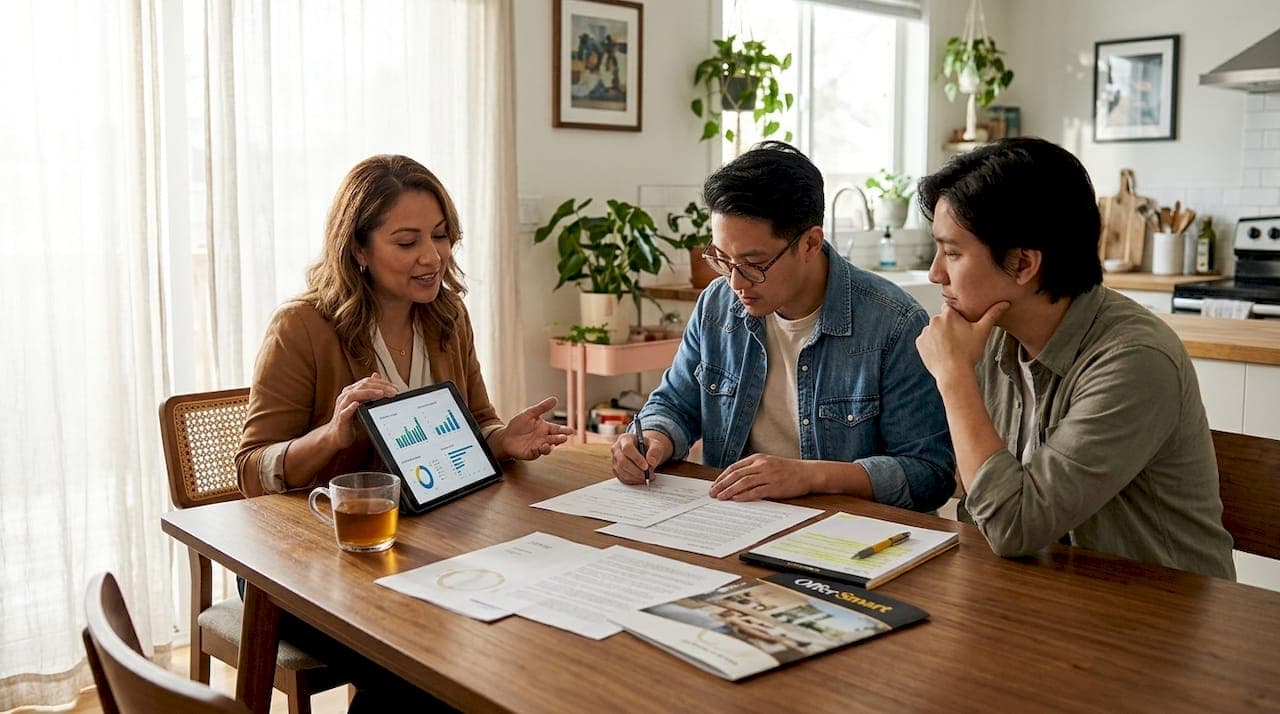
TL;DR:
- Proper preparation and data-driven research significantly improve negotiation outcomes.
- Understanding market trends and seller motivation helps structure effective offers.
- Assertiveness and emotional discipline are key to securing better house prices.
Most buyers walk away from a property purchase having paid more than they needed to. Without a clear negotiation strategy, you leave money on the table simply because you didn't know what to ask for or when to push back. The good news is that negotiation is a learnable, data-driven skill. In 2026, 62% of homes sold below list price, which means the market is actively rewarding prepared buyers. This guide walks you through five concrete steps to negotiate house price effectively, whether you're buying your first home or adding to an investment portfolio.
Table of Contents
- 1. Prepare your finances and team
- 2. Research the market and property
- 3. Make your first, data-backed offer
- 4. Negotiate inspection findings and next steps
- 5. Advanced strategies for buyers and investors
- A fresh perspective on house price negotiation
- Get expert guidance and never overpay
- Frequently asked questions
Key Takeaways
| Point | Details |
|---|---|
| Start strong | Get pre-approved and build your team to show sellers you’re serious. |
| Rely on data | Use comps and market stats to anchor every step of your negotiation. |
| Leverage every stage | Negotiate beyond the offer—inspection findings and seller concessions can save you thousands. |
| Know your limits | Learn when to walk away so you don’t overpay. |
1. Prepare your finances and team
Before you make a single offer, your foundation needs to be solid. Negotiation strength comes from credibility, and credibility starts with a mortgage pre-approval letter. When a seller sees that a lender has already reviewed your finances and committed to funding, you become a far more serious buyer in their eyes. Getting pre-approved and working with an experienced agent are two of the most important steps you can take before any negotiation begins.
Your team matters just as much as your finances. A skilled buyer's agent brings local market knowledge, negotiation experience, and access to comparable sales data that you simply won't find on your own. It's no surprise that 88% of buyers use agents, with negotiation skill and market knowledge cited as the top reasons.
Here's who you want on your team before making an offer:
- Mortgage lender: Provides pre-approval and clarifies your true budget
- Buyer's agent: Guides strategy, handles communication, and interprets market data
- Home inspector: Identifies issues that become negotiation leverage post-offer
- Real estate attorney: Useful in complex transactions or competitive markets
For first-time buyers especially, preparing for negotiation with the right team in place reduces anxiety and improves outcomes. You're not just buying a home; you're entering a financial negotiation where preparation is your biggest advantage.
Pro Tip: Ask your agent to share recent list-to-sale price ratios in your target neighborhood before you make any offer. This single data point tells you how much room sellers are actually leaving on the table.
2. Research the market and property
Once your team is ready, the next step is building your evidence base. Comparable sales, often called comps, are recently sold properties that are similar in size, condition, and location to the home you want to buy. They tell you what the market actually values the property at, independent of what the seller is asking.
Beyond comps, you want to track two key metrics: days on market (DOM) and the list-to-sale price ratio. A home that has been sitting for 60 or more days signals seller flexibility. A neighborhood where homes routinely sell below list price tells you that buyers have real negotiating power.
Here's a snapshot of what the current market looks like:
| Metric | 2026 benchmark |
|---|---|
| Homes sold below list price | 62% |
| Average discount for below-list sales | 7.9% |
| Buyers receiving 10%+ off asking price | 26% |
These discount trends by market vary significantly by location, so national averages are a starting point, not a rule. A home in a high-demand urban area may sell at or above list price, while a rural or slower market may see much larger discounts.
Use this research checklist before structuring any offer:
- Pull at least three to five comparable sales from the past 90 days
- Note the condition of each comp versus the subject property
- Research comps and list-to-sale differences alongside days on market data
- Identify any price reductions on the listing, which signal seller motivation
- Review local inventory levels to assess whether it's a buyer's or seller's market
The more specific your data, the stronger your position. Vague impressions don't win negotiations. Documented evidence does.
3. Make your first, data-backed offer
Armed with research, you can now structure your offer with intention rather than guesswork. The key principle here is anchoring: your first offer sets the psychological and financial reference point for the entire negotiation. Anchor too high and you lose leverage. Anchor too low without justification and you risk offending the seller.
A practical framework based on days on market helps you calibrate your opening offer:
| Days on market | Suggested opening offer |
|---|---|
| 0 to 30 days | 1% to 3% below asking price |
| 30 to 60 days | 3% to 7% below asking price |
| 60 or more days | 7% to 10% below asking price |
This tiered offer strategy reflects how seller motivation typically increases the longer a property sits unsold. Use it as a guide, not a rigid formula.
Beyond price, consider these negotiation tactics that can add real financial value:
- Closing cost credits: Ask the seller to cover a portion of your closing costs, which can reduce your out-of-pocket expenses by thousands
- Repair credits: Instead of asking for repairs, request a credit so you control the work
- Rate buydowns: Sellers can contribute funds to lower your mortgage interest rate
- Flexible closing date: Offering a timeline that suits the seller can make a lower price more acceptable
Pro Tip: After submitting your offer, resist the urge to fill the silence. Sellers and their agents often interpret immediate follow-up as anxiety, which weakens your position. Let the offer stand and wait for a response.
4. Negotiate inspection findings and next steps
Once your offer is accepted, the home inspection opens a second round of negotiation. Many buyers treat the inspection as a formality. Experienced buyers treat it as one of the most powerful tools available to them.
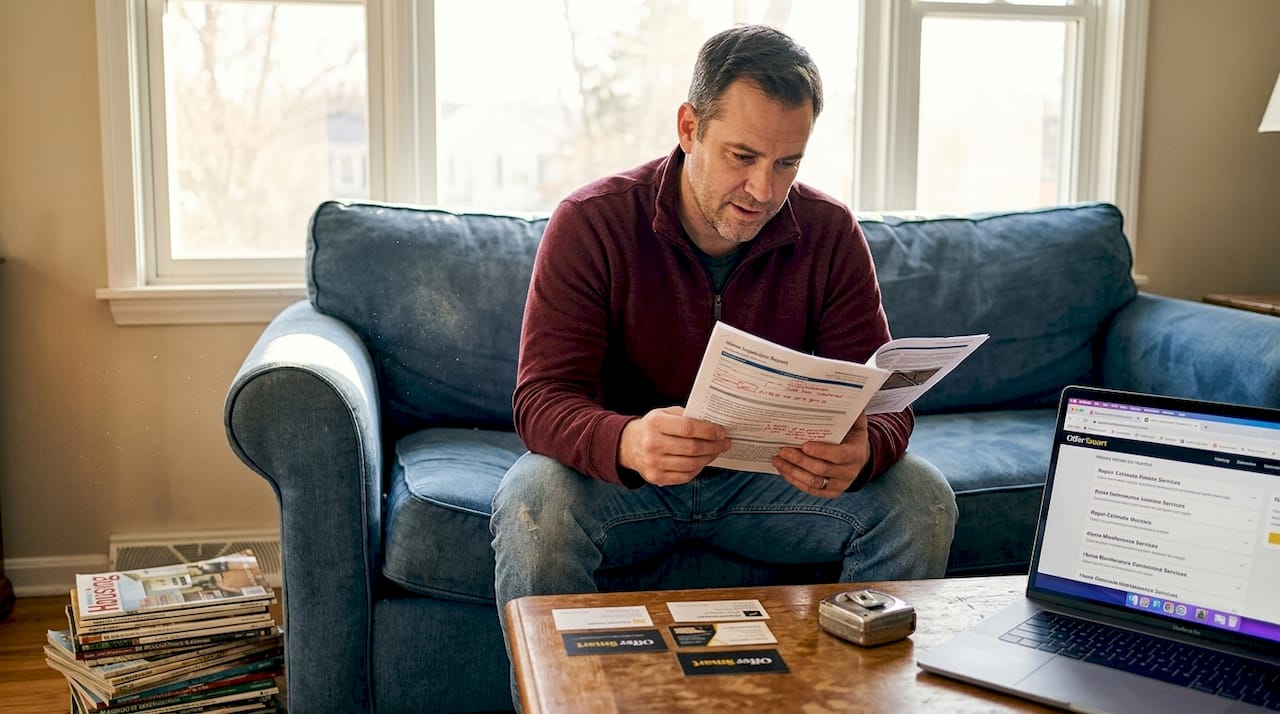
A thorough inspection typically uncovers issues ranging from minor maintenance items to significant structural or mechanical problems. Each finding is a documented reason to request a concession from the seller. Buyers who treat inspection as round 2 of negotiation typically secure credits averaging between $4,800 and $7,200.
Here's how to handle post-inspection negotiation effectively:
- Review the full report with your agent before deciding which issues to raise
- Prioritize material defects such as roof damage, HVAC failure, or foundation concerns over cosmetic issues
- Request repair credits rather than seller-completed repairs so you control quality and cost
- Get contractor estimates to support your requested credit amount with real numbers
- Be prepared to walk away if the seller refuses to address legitimate safety or structural issues
"The inspection isn't just a checklist. It's a documented, professional assessment that gives you legitimate grounds to renegotiate the price or terms after your offer has been accepted."
For property investors, using repair estimates and proof of funds carries particular weight. Sellers are more likely to accept a lower credit request from a buyer who can close quickly and without financing contingencies. Handling negotiations after inspection with clear documentation puts you in a far stronger position than relying on verbal requests.
5. Advanced strategies for buyers and investors
Beyond the basics, top-performing buyers and investors apply a layer of strategic thinking that most guides overlook. These approaches require more preparation but can produce significantly better outcomes.
Start with your BATNA, which stands for Best Alternative to a Negotiated Agreement. Before entering any negotiation, know exactly what you will do if this deal falls through. Having a clear alternative removes desperation from the equation and gives you genuine confidence to walk away when needed. Knowing your BATNA and seller motivation are two of the most underused tools in buyer negotiations.
Understanding seller motivation is equally powerful. A seller facing a job relocation, divorce, or financial pressure will prioritize speed and certainty over maximum price. If your agent can uncover these details, you can structure an offer that addresses the seller's real needs, which often makes a lower price more acceptable.
For investors specifically, using rapid closes and off-market negotiation builds the kind of rapport that leads to better deals. Sellers of investment properties often prefer a straightforward transaction over a drawn-out process with a higher headline price.
Additional advanced tactics worth using:
- Request multiple contractor bids to justify repair credits with third-party evidence
- Time your offer strategically: Winter months and periods of rising inventory favor buyers
- Use escalation clauses carefully in competitive markets to avoid overbidding unnecessarily
- Build personal rapport with the listing agent to gain insight into seller priorities
Pro Tip: When requesting a repair credit, present two or three contractor estimates rather than one. Multiple quotes signal that you've done your homework and make it much harder for the seller to dispute the amount.
A fresh perspective on house price negotiation
Most negotiation guides focus on tactics and stop there. What they rarely address is the role that assertiveness and emotional discipline play in determining outcomes.
Conventional advice tends to be overly cautious. It tells you to make reasonable offers and avoid offending sellers. But the data tells a different story. With 62% of homes selling below list price and an average discount of 7.9%, the market is already pricing in negotiation. Buyers who hesitate to push back aren't being polite; they're leaving real money behind.
Local comps and seller motivation are more powerful than any national statistic. A seller who has already reduced their price twice and has been on the market for 75 days is not in the same position as someone who listed last week. Treating every negotiation the same way is a strategic mistake.
The emotional side of this process matters more than most resources admit. Sellers are attached to their homes. Framing your offer around objective data rather than personal opinion keeps the conversation professional and removes ego from the equation. You're not saying the home isn't worth it. You're saying the market evidence supports a different number. That distinction changes how sellers respond.
Data benefits only those who use it assertively. Knowing the comps is not enough. You have to be willing to act on them, and to walk away when the numbers don't work.
Get expert guidance and never overpay
Applying these strategies takes research, confidence, and the right tools. That's exactly what Offer Smart is built for.

Offer Smart for smarter home buying gives you instant access to comparable local sales, a clear view of what you should realistically offer, and deeper insights including flood risk, crime data, school proximity, and rental yield for investors. With a built-in mortgage calculator, estimated running costs, and a 5-year value forecast, you get the full financial picture before committing. Whether you're a first-time buyer or a seasoned investor, Offer Smart replaces guesswork with evidence so you can negotiate with confidence and avoid overpaying on one of the biggest financial decisions of your life.
Frequently asked questions
What is the average amount below asking price homes sell for in 2026?
Homes that sold below asking price in 2026 averaged a 7.9% discount, with 26% of buyers receiving 10% or more off the original list price.
Which negotiation tactics can help me save most when buying a house?
Data-backed offers, seller concessions like closing costs and rate buydowns, and post-inspection credit requests are consistently among the most effective ways to reduce your total purchase cost.
How can first-time buyers improve their negotiation results?
Secure mortgage pre-approval before searching, work with an experienced buyer's agent, and use local comps and pre-approval to make offers that are competitive but grounded in market evidence.
When is the best time of year to negotiate for property?
Winter months and periods of rising inventory consistently favor buyers. Investors use winter timing and elevated supply as leverage to negotiate more favorable terms and prices.