

First-time buyer misconceptions are false beliefs about deposits, credit scores, and mortgage rates that stop UK buyers from entering the property market before they have even started. These myths are not harmless. Mortgage myths hold buyers back from taking the first step, creating a "slog" mentality that turns a manageable process into something that feels impossible. The good news is that most of these beliefs are simply wrong. This article corrects the most common first buyer misconceptions with current facts, so you can move forward with confidence.
1. You do not need a 20% deposit to buy your first home
The 20% deposit myth is one of the most damaging first home buying misconceptions in the UK. 15% of prospective buyers incorrectly believe a 20% deposit is mandatory, and 46% believe more than 5% is required for a conventional mortgage. Both figures are wrong. Many UK lenders offer mortgage products with deposits as low as 3–5% of the purchase price.
A smaller deposit does affect your mortgage terms. You will typically pay a higher interest rate and may need to factor in mortgage indemnity costs. That said, waiting years to save 20% often costs more in rising property prices than the rate difference saves you. The full picture on deposit size is more nuanced than the myth suggests.
UK buyers also have access to government-backed schemes and gifted deposit arrangements from family members. These options exist precisely because lenders and policymakers recognise that 20% is out of reach for most first-time buyers.
- Deposits from 3–5% are available from many high street lenders
- Gifted deposits from family members are accepted by most lenders with a signed letter
- Government schemes such as Shared Ownership can reduce the amount you need upfront
- Mortgage indemnity insurance protects the lender, not you, but it enables lower deposit lending
Pro Tip: Start by calculating what a 5% deposit looks like on properties in your target area. That number is almost always far more achievable than the 20% figure you may have in your head.
2. A perfect credit score is not required for mortgage approval
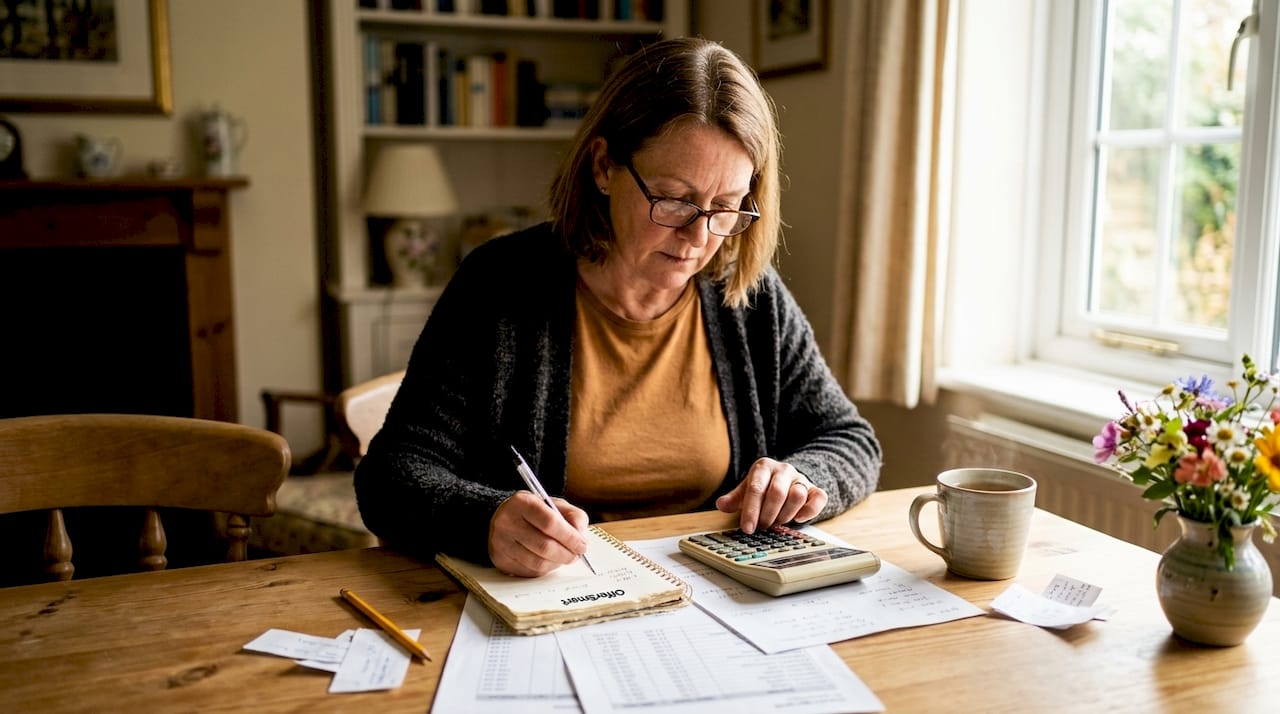
34% of prospective buyers believe a credit score of 700 or higher is required for mortgage approval, and 57% believe at least 650 is necessary. UK lenders do not use a single universal credit score threshold. Each lender applies its own affordability criteria, and credit score is just one part of that assessment.
Lenders look at your income, employment stability, existing debts, and spending behaviour alongside your credit history. A buyer with a fair credit score and a stable salary can often qualify where a buyer with a high score but irregular income cannot. Understanding how a mortgage works helps you see why lenders weigh multiple factors together.
The key steps to strengthen your application before you apply are:
- Register on the electoral roll at your current address
- Close unused credit accounts that show as available credit
- Avoid applying for any new credit in the six months before your mortgage application
- Pay down existing balances to below 30% of your credit limit where possible
- Check your credit file with Experian, Equifax, or TransUnion for errors and dispute any inaccuracies
Pro Tip: Check your credit file at least six months before you plan to apply. That gives you time to correct errors and build a stronger profile without rushing.
3. Mortgage rates are not set by the government or the Bank of England
A widespread misunderstanding in home buying is that the Bank of England sets your mortgage rate directly. Mortgage rates are set by individual lenders, not by government policy or the Bank of England base rate alone. The base rate influences the cost of borrowing for lenders, but each lender then sets its own rates based on its own risk appetite and commercial decisions.
Your personal financial profile has a direct impact on the rate you are offered. Loan-to-value ratio, credit history, income, and the type of mortgage product all affect your individual rate. Two buyers purchasing identical properties on the same street can receive meaningfully different rates from the same lender.
- The Bank of England base rate is a floor, not a ceiling, for lender pricing
- Fixed rate deals lock in your rate regardless of base rate changes during the fixed term
- Tracker mortgages move in line with the base rate, which can work for or against you
- A whole-of-market mortgage broker compares rates across dozens of lenders simultaneously
Shopping around is not optional. Accepting the first rate you are offered without comparison is one of the most common mistakes new buyers make.
4. Hidden costs add thousands on top of your deposit
Closing costs frequently range between 2% and 5% of the total loan amount. On a £400,000 property, that means an additional £8,000 to £20,000 beyond your deposit. Most first-time buyers budget only for the deposit and are caught off guard by these additional expenses.
| Cost | Typical range |
|---|---|
| Solicitor or conveyancer fees | £1,000 to £2,500 |
| Survey (HomeBuyer Report) | £400 to £1,500 |
| Mortgage arrangement fee | £0 to £2,000 |
| Stamp Duty Land Tax | Varies by price and buyer status |
| Removal costs | £300 to £1,500 |
The costs do not stop at completion. Buyers often fail to budget for repairs, maintenance, buildings insurance, and council tax increases after moving in. These ongoing costs can strain your monthly budget significantly if you have not planned for them. Your UK first home buying checklist should include every line item, not just the headline purchase price.
Pro Tip: Set aside at least 3% of the purchase price specifically for completion costs, separate from your deposit savings. Treat it as non-negotiable from day one of saving.
5. Waiting for the "perfect" market conditions is a costly delay
New buyer false beliefs about market timing cause more financial damage than almost any other misconception. The idea that you should wait for rates to fall, prices to drop, or conditions to improve is an outdated approach that rarely plays out as expected. Property markets do not follow predictable cycles that buyers can time reliably.
Mortgage professionals emphasise that buyers should seek current information from qualified brokers rather than relying on advice from friends or family. A neighbour who bought in 2005 or a parent who purchased in the 1990s is working from a completely different market reality. The UK property market in 2026 has its own dynamics, and generic historical advice does not apply.
"The best time to buy is when you are financially ready, not when the market appears perfect."
Waiting also has a direct financial cost. Rent paid during a delay builds no equity. Property prices in most UK regions have historically trended upward over five-year periods, meaning delay often means paying more later for the same type of home.
6. Borrowing the maximum your lender offers is not the same as affordability
The maximum mortgage offered should not be equated with affordability. Lenders calculate the maximum they are willing to lend based on income multiples and stress tests. They do not factor in your lifestyle costs, savings goals, or the reality of unexpected expenses. Accepting the maximum can leave you financially stretched within months of moving in.
Becoming "house poor" is a real risk. It means owning a home but having little or no money left each month for anything else. A mortgage payment that feels manageable in isolation can become a burden once you add service charges, utility bills, and the inevitable repair costs of homeownership.
The common home buying mistakes that cause the most long-term regret are almost always financial ones made at the point of borrowing. Borrow what you can comfortably repay, not the maximum figure on the lender's offer letter.
7. Your financial behaviour during the buying process matters more than you think
Lenders conduct last-minute financial checks before completion. Opening a new credit account, taking out a car loan, or making a large purchase on credit between mortgage approval and exchange can cause your approval to be withdrawn. This is one of the least-discussed first buyer FAQs, yet it catches buyers out regularly.
The period between mortgage offer and completion is not the time to buy new furniture on finance or apply for a store card. Your financial profile needs to remain stable throughout. Any change that affects your credit commitments or income is a risk to your mortgage offer.
Opening new credit accounts after approval but before closing is one of the most avoidable errors in the entire buying process. Keep your finances static from the moment you receive your mortgage offer until the keys are in your hand.
Key takeaways
Debunking first buyer myths starts with one fact: most of the beliefs that stop UK buyers from acting are simply not supported by how lenders actually operate in 2026.
| Point | Details |
|---|---|
| Deposit myth | Many UK lenders accept deposits as low as 3–5%, not the 20% figure most buyers assume. |
| Credit score reality | Lenders assess affordability holistically; a fair credit score does not automatically disqualify you. |
| Rate setting | Individual lenders set your mortgage rate; the Bank of England base rate is only one input. |
| Hidden costs | Budget an additional 2–5% of the purchase price for completion and ongoing costs beyond your deposit. |
| Borrowing limit | The maximum a lender offers is not the same as what you can comfortably afford to repay. |
Why these myths matter more than most buyers realise
I have spoken with a lot of first-time buyers over the years, and the pattern is consistent. The ones who delay longest are almost never held back by genuine financial barriers. They are held back by beliefs they picked up from a well-meaning relative or a headline they half-read three years ago.
The 20% deposit myth alone has kept buyers renting for years longer than necessary. That is years of rent paid with no return, while property prices in their target area continued to move. The financial cost of believing a myth is real and measurable.
What I find most frustrating is that the correct information is available. Qualified mortgage brokers, tools like Offersmart, and resources from the Financial Conduct Authority all provide accurate, current guidance. The problem is that buyers often do not seek it out until they are already deep in the process, by which point some damage is already done.
My honest advice: treat everything you have heard from non-professionals as a starting point for a question, not as a fact. Then go and find the actual answer from a qualified source. The UK property market is not as closed off as the myths suggest. Most buyers who think they cannot afford to buy are closer than they realise.
— Rhys
How Offersmart helps you cut through the confusion
First-time buyers who act on accurate data make better decisions. Offersmart gives you a full financial picture before you commit to anything.

Use the Offersmart mortgage calculator to model realistic repayments based on your deposit size, income, and target property price. You can test different deposit levels and see exactly how your monthly payments change, without speaking to anyone or committing to anything. Offersmart also compares recent local sales on the same road, so you know whether the asking price is grounded in reality. For a property worth £400,000, knowing the true market value before you offer is worth far more than the time it takes to check. Start with the full suite of calculators and remove the guesswork from your buying decision.
FAQ
Do UK first-time buyers need a 20% deposit?
No. Many UK lenders offer mortgages with deposits as low as 3–5%. The 20% figure is a persistent myth, not a lending requirement.
What credit score do I need to get a mortgage in the UK?
There is no single threshold. UK lenders assess your full financial profile, including income, employment, and existing debts, not just your credit score.
Can I lose my mortgage offer after it has been approved?
Yes. Lenders run final checks before completion. Opening new credit accounts or making large purchases on finance after approval can cause the offer to be withdrawn.
Are mortgage rates controlled by the Bank of England?
No. Individual lenders set their own mortgage rates. The Bank of England base rate influences lender costs but does not directly set the rate you are offered.
What hidden costs should first-time buyers budget for?
Completion costs typically add 2–5% of the purchase price on top of your deposit. This covers solicitor fees, surveys, mortgage arrangement fees, and Stamp Duty Land Tax.